THE OVARY AS AN ECOSYSTEM: THE STUDY THAT’S CHANGING WHAT WE KNOW ABOUT WOMEN’S HORMONES
Feb 04, 2026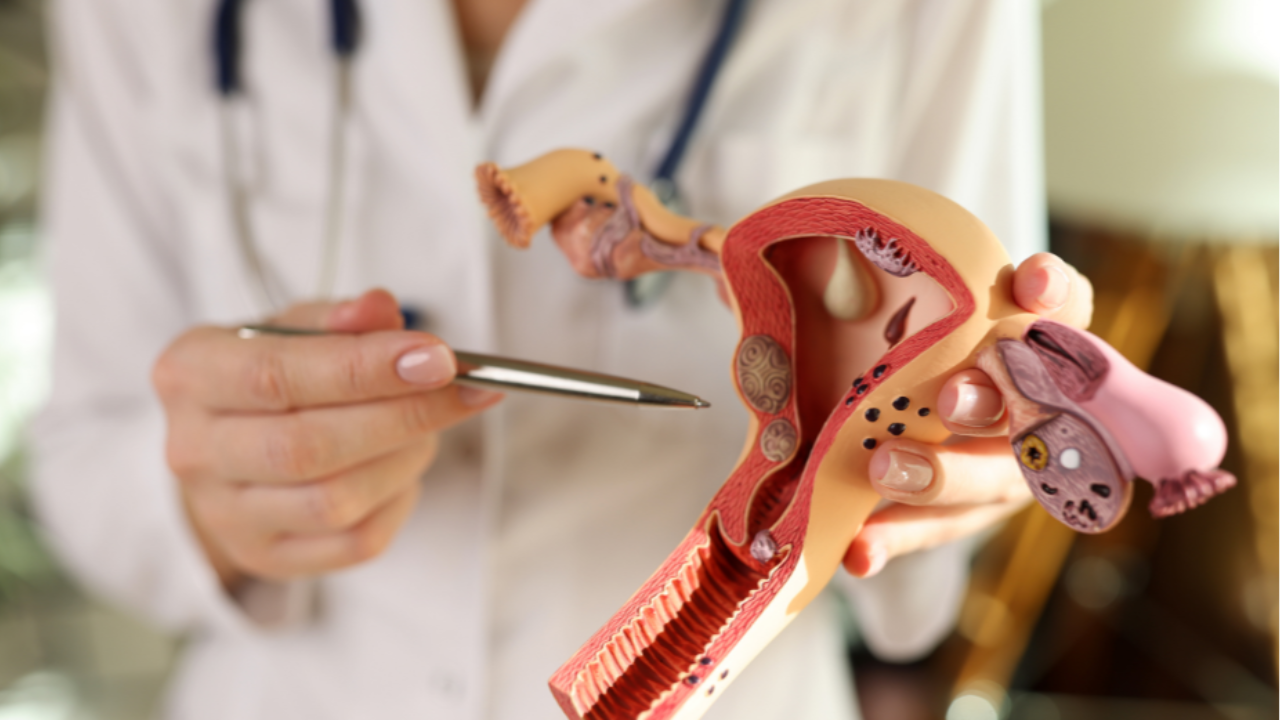
When I came across this new research, I knew I had to share it with you, because it changes everything we thought we knew about women’s hormones.
For decades, women have been told the same story: "Your fertility declines because you run out of good eggs."
Full stop.
But a groundbreaking study out of UC San Francisco (UCSF) and the Chan Zuckerberg Biohub has just rewritten the narrative and honestly, it’s about time.
This research reveals that your ovaries aren’t just passive containers slowly losing eggs. They’re dynamic, interconnected, nervous-system-wired organs with their own ecosystem, one that ages earlier and more dramatically than we ever realised.
And that changes the game for every woman, whether or not you want children.
The Ovary Isn’t Just a “Basket of Eggs”... It’s a Full Ecosystem
Traditional fertility models have focused on egg quantity and quality. But this study, published in Science (DOI: 10.1126/science.adx0659), paints a far more sophisticated picture.
Using cutting-edge 3D imaging and single-cell sequencing, researchers mapped the ovary down to its most minute cellular interactions. I’ve broken it down below in everyday language, because what they uncovered is nothing short of revolutionary:
- The entire ovarian environment ages, not just the eggs. The tissues surrounding and supporting the eggs show inflammation, fibrosis (stiffening), and decreased cellular communication. Fertility decline isn’t just about egg count, it’s about the whole environment.
- The ovary is wired with dense sympathetic nerves. These nerves, part of your fight-or-flight system, increase with age. A surprising discovery that suggests the nervous system is deeply involved in ovarian ageing.
- Your nervous system may control how fast your ovaries age. In mouse models, blocking these sympathetic nerves slowed ovarian ageing. More eggs stayed in reserve. Fewer matured too early. The ovary looked younger.
- Glial cells, normally found in the brain, were discovered in the ovary. This points to a neural-immune communication system inside the ovary, suggesting it behaves more like the brain than previously believed.
Hormones don’t operate in silos. Every system in your body is connected."
Why This Study Matters for Every Woman (Not Just Women Trying to Conceive)
This isn’t just a fertility study. This is a longevity study. Whether you’re navigating your 30s, facing perimenopause, or just curious about how your hormones really work, this matters.
Because ovarian function influences:
- Metabolism
- Mitochondrial health
- Bone density
- Cardiovascular function
- Mood + cognition
- Libido
- Energy + sleep
- Long-term disease risk
As ovarian health declines, all of these systems shift. That’s why menopause is such a powerful metabolic, neurological, and cardiovascular turning point.
This research helps us understand why.
The ovary is one of the earliest organs to age. But now that we understand how it ages, we can explore how to slow that process down.
Researchers are already looking into interventions to delay ovarian ageing, potentially leading to:
- Prolonged egg health
- Later onset of menopause
- Reduced risk of osteoporosis and heart disease
- Improved hormonal stability
- Increased healthspan for women
This is the kind of research women have deserved for decades.
What This Means for You, the High-Achieving, Wellness-Curious Woman
If you’re reading this, you’re probably not just thinking about fertility.
You’re thinking about your energy, your confidence, your longevity, your metabolism, all the things that help you feel powerful in your body.
Here’s the truth…
Your hormones are not fragile.
Your ovaries are not "broken.
Your body is not working against you.
Your ovaries are responding to their environment: inflammation, stress, blood sugar, environmental toxins, nervous system tone, mitochondrial health.
And the more you understand those drivers, the more empowered you can become to support your body, instead of blaming it.
Women deserve better than "eat less, stress less, and hope for the best."
When I read this study, it stopped me in my tracks. This is the kind of breakthrough we’ve been waiting for, the kind that validates what so many of us have felt in our bones: our bodies are smarter, more connected, and more complex than we’ve been told. This study is part of a much-needed shift: one where women’s health science finally catches up to our lived experience.
The Bottom Line
The ovary is not a countdown clock. It is an intelligent, interconnected, neurological ecosystem.
And now that we know this?
We can stop blaming women for "poor egg quality" and start focusing on real drivers like: inflammation, metabolic dysfunction, nervous system dysregulation, cellular ageing, mitochondrial decline and chronic stress
This is the future of women’s health. And you deserve to be informed, empowered, and supported with real science.
Want more science-meets-soul wellness content like this? Make sure you're subscribed to the newsletter and following along on Instagram.
Join the SHWellness Newsletter
Stay connected in the SHW Community with all the latest wellness tips, hacks and updates delivered right to your inbox each week!
We hate SPAM. We will never sell your information, for any reason.
